The UAE’s Manufacturing & Industrial sector is entering a transformative phase in 2026. Driven by economic diversification initiatives and large-scale infrastructure projects, the sector is experiencing unprecedented demand for skilled talent while simultaneously redefining what “skilled” means in an automated workplace.
For employers, understanding these shifts is critical to workforce planning, retention and competitive positioning.
Sector Growth: The Industrial Expansion
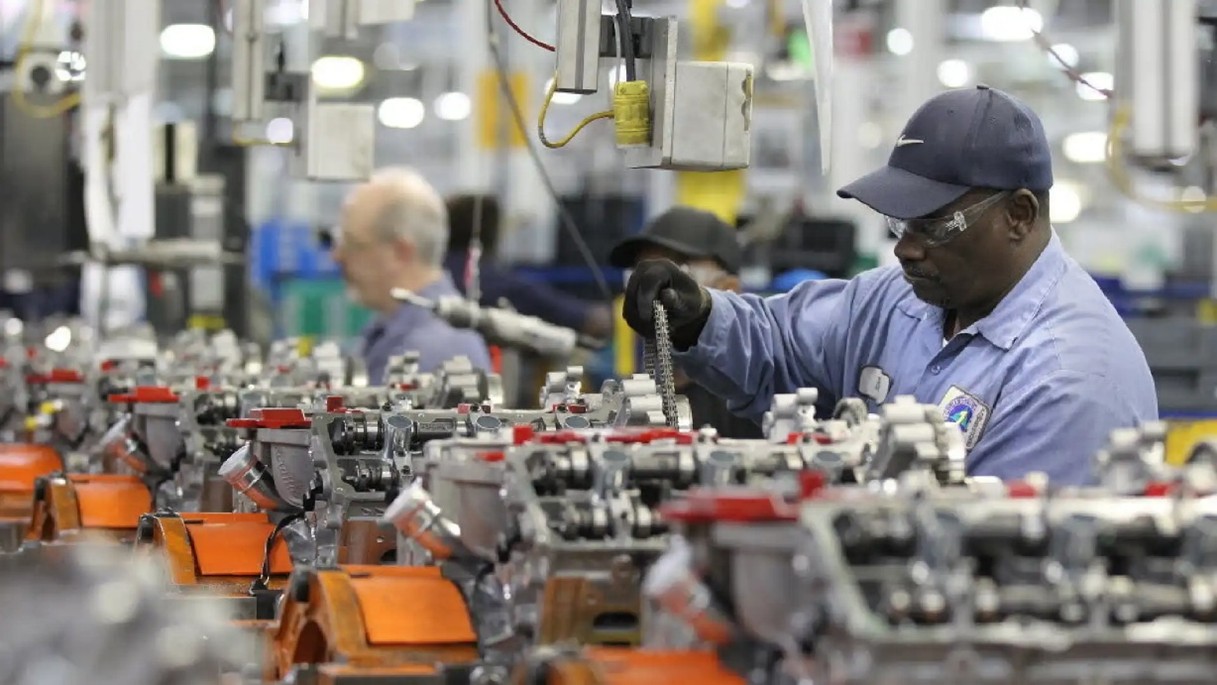
Under national development frameworks, manufacturing has shifted from traditional production models to smart, automated operations. This “controlled reinvention” is creating sustained hiring pressure across construction, logistics, energy and advanced manufacturing verticals.
Reasons driving this expansion:
- Infrastructure megaprojects continue to accelerate, creating ripple effects across steel, heavy industry and component manufacturing.
- Economic diversification policies are shifting investment toward local production capabilities.
- Regional competition from Saudi Arabia and Qatar is raising the bar for operational efficiency and technology adoption.
The result is a labour market that is more active and competitive than at any point in the past decade. Employers are no longer hiring reactively to fill gaps; they are engaging in strategic workforce planning aligned with three-to-five-year business roadmaps.
The Skills Revolution: From Manual to Digital
The most significant shift in 2026 is the skills profile required on the factory floor. Automation, digital operations and sustainability requirements have fundamentally reshaped employability in Manufacturing & Industrial roles.
Technical Skills in High Demand:
- Automation Engineering: AI and automation adoption is projected to grow 35% through 2026, making this the fastest-expanding technical competency in the region.
- Data Analytics & Industry 4.0: Manufacturing employers now prioritize candidates who can interpret operational data, manage smart factory systems and optimize production through digital insights.
- Cybersecurity for Industrial Systems: As manufacturing floors become digitally connected, cybersecurity skills are no longer confined to IT departments. Basic cyber awareness is now expected even in operational roles, with 28% growth projected in security and data protection positions.
- Sustainability & ESG Capabilities: Environmental, social and governance reporting requirements are affecting procurement, project delivery and manufacturing processes. ESG-related roles are projected to grow 30% as compliance pressure increases.
The Hybrid Professional: STEM + Soft Skills
Perhaps the most important trend for employers is the rise of the “hybrid” candidate. Technical expertise alone is insufficient; employers are actively seeking professionals who combine STEM capabilities with execution and communication skills.
Critical soft skills now include:
- Cross-cultural communication: Essential in the UAE’s diverse industrial workforce
- Adaptive leadership: Managing digital transformation and human-machine collaboration
- Problem-solving under pressure: As automation handles routine tasks, human value shifts to exception handling and complex decision-making
The Talent Shortage Reality
Despite strong demand, the UAE faces a significant skills gap. Approximately 45% of employers report difficulty finding specialized talent, with shortages most acute in AI, data science, cybersecurity and advanced engineering roles.
For manufacturing specifically, skilled blue-collar labour is becoming harder to secure. Core trades are in short supply as project timelines accelerate and competition for reliable manpower intensifies.
Looking Ahead
By 2026, AI is expected to influence over 40% of job roles within the UAE workforce. For Manufacturing & Industrial employers, this is not a distant future, it is the current operating environment. The question is no longer whether to adapt, but how quickly organizations can align their talent strategies with the reality of automated, data-driven production.
Companies that act now to build AI-capable teams, develop hybrid skill profiles and create flexible workforce structures that will define the next decade of industrial growth in the UAE. Those that delay risk higher costs, project delays and widening technology debt that becomes harder to address as the market evolves.
At Kinetic Business Solutions, we specialize in connecting UAE employers with the hybrid, automation ready professionals who will drive your next phase of growth.
So don’t let the skill gap slow your projects. Contact Kinetic today to discuss your 2026 workforce roadmap and discover how we turn hiring challenges into competitive advantages.