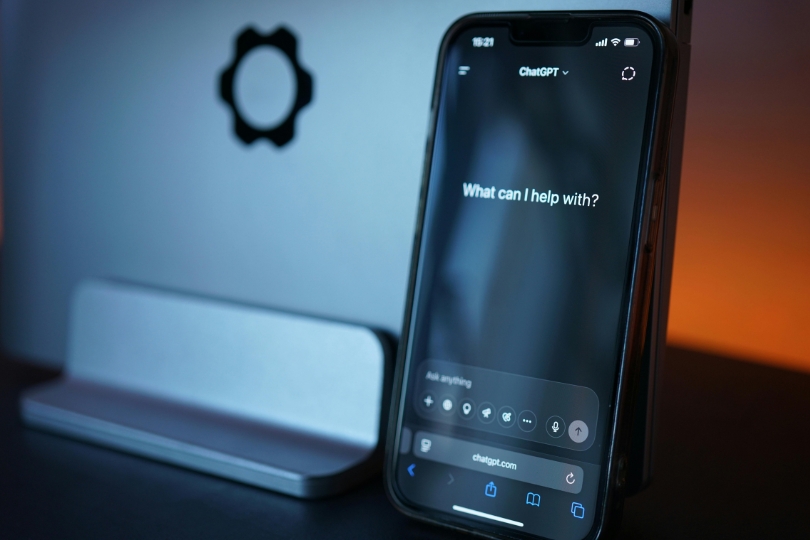
Artificial intelligence has changed the way candidates approach job applications. Today, anyone can use AI tools to create a CV, rewrite their experience or generate a professional-looking template within minutes. However, a CV that looks polished does not always perform well.
While AI can be a useful tool for improving grammar, structure and clarity, relying on it too heavily can create problems. From overly designed templates and ATS compatibility issues to generic language and spelling mistakes, AI-generated CVs can sometimes make candidates less competitive.
A strong CV does not need to be complicated. It needs to be clear, accurate and easy for recruiters and hiring managers to understand.
AI-generated CV designs can create ATS problems
One of the biggest issues with AI-generated CVs is the focus on design. Many AI tools create visually impressive CV templates featuring:
▪️ Logos
▪️ Icons
▪️ Graphics
▪️ Charts
▪️ Multiple text boxes
▪️ Unusual layouts
Although these designs may look fancy, they can create challenges when a CV is processed through an Applicant Tracking System (ATS). Many organisations use ATS technology to help manage applications and identify suitable candidates. These systems work best when CVs are structured clearly and use standard formatting. Complex designs can make it harder for systems to correctly identify important information.
A simple CV layout is more effective. Clear headings, consistent formatting and easy-to-read sections help ensure your experience can be understood by both technology and people.
A professional CV does not need to be designed like a brochure
A common mistake with AI-generated CVs is prioritising appearance over content. Your CV is not a marketing brochure. It is a professional document designed to communicate your skills, experience and achievements. Recruiters and hiring managers are more interested in:
▪️ What you have achieved
▪️ The responsibilities you have managed
▪️ Industries you have worked in
▪️ The value you can bring to an organisation
A clean, professional format will always be more effective than a visually complicated design that makes information harder to find.
AI-generated language can make your CV sound generic
Another issue with AI-written CVs is that they often rely on common phrases that appear across thousands of applications. Examples include:
“Results-driven professional with a proven track record of success.”
“Dynamic individual with excellent communication skills.”
“Strategic thinker with a passion for delivering innovative solutions.”
These statements are not necessarily incorrect, but they do not provide much insight into the individual behind the CV. Hiring managers want evidence, not just descriptions.
Instead of “Responsible for managing a team.” consider; “Managed a team of 10 professionals, improving delivery performance and supporting successful project completion.”
Specific achievements help employers understand your capability and impact.
Avoid overly complicated wording
AI tools often try to make CV content sound more professional by adding complex language. However, using more words does not always create a stronger impression.
For example “Responsible for the strategic implementation of operational methodologies to enhance organisational efficiencies.” could become; “Improved operational processes to increase efficiency.”
The second is more direct and easier to understand. Recruiters value communication skills. A CV should demonstrate that you can communicate effectively, not that you can use complicated terminology.
Watch out for spelling, grammar and language differences
AI tools don’t always understand the audience you are writing for. For candidates applying for roles in the UK, one common issue is the use of American English rather than British English.
You should also review AI-generated content for:
▪️ Incorrect job titles
▪️ Industry terminology mistakes
▪️ Poor sentence structure
▪️ Inconsistent formatting
This is particularly important in sectors where accuracy matters, including life sciences, engineering, technology and regulated industries. A spelling mistake or incorrect technical term can create unnecessary doubts about attention to detail.
Avoid AI-generated CV habits
Recruiters are increasingly familiar with AI-generated content, and certain patterns can make a CV feel less authentic. Common examples include:
▪️ Excessive use of buzzwords
▪️ Long paragraphs with limited detail
▪️ Repeated phrases such as “passionate”, “dynamic” or “innovative”
▪️ Em dashes used throughout the document
▪️ Emojis or unnecessary symbols
The goal is not to sound like an AI-generated “perfect candidate”. The goal is to clearly communicate your real experience.
Use AI as a support tool, not the author
AI can be valuable during the CV writing process by helping you put together your work experience. However, the final CV should always be reviewed and personalised by you. Before submitting an application, ask yourself:
▪️ Does this accurately represent my experience?
▪️ Does it sound like me?
▪️ Is it easy to read?
▪️ Does it clearly show my achievements?
▪️ Would a recruiter quickly understand my background?
What recruiters actually look for
A successful CV is not the one with the most impressive design or the most advanced wording. Recruiters and hiring managers look for:
▪️ Relevant experience
▪️ Clear career progression
▪️ Evidence of achievements
▪️ Accuracy and attention to detail
▪️ Professional presentation
The best CVs are simple, accurate and personalised. Use AI to improve your CV, but do not allow it to replace your own personality. The strongest CVs combine technology with a human touch.